
I was privileged to attend my 21st annual Banner of Truth Ministers’ Conference this past week in Pennsylvania with about 250 other men. Although it was held in a new venue (Elizabethtown College) the format was the same, and the majority of the faces were 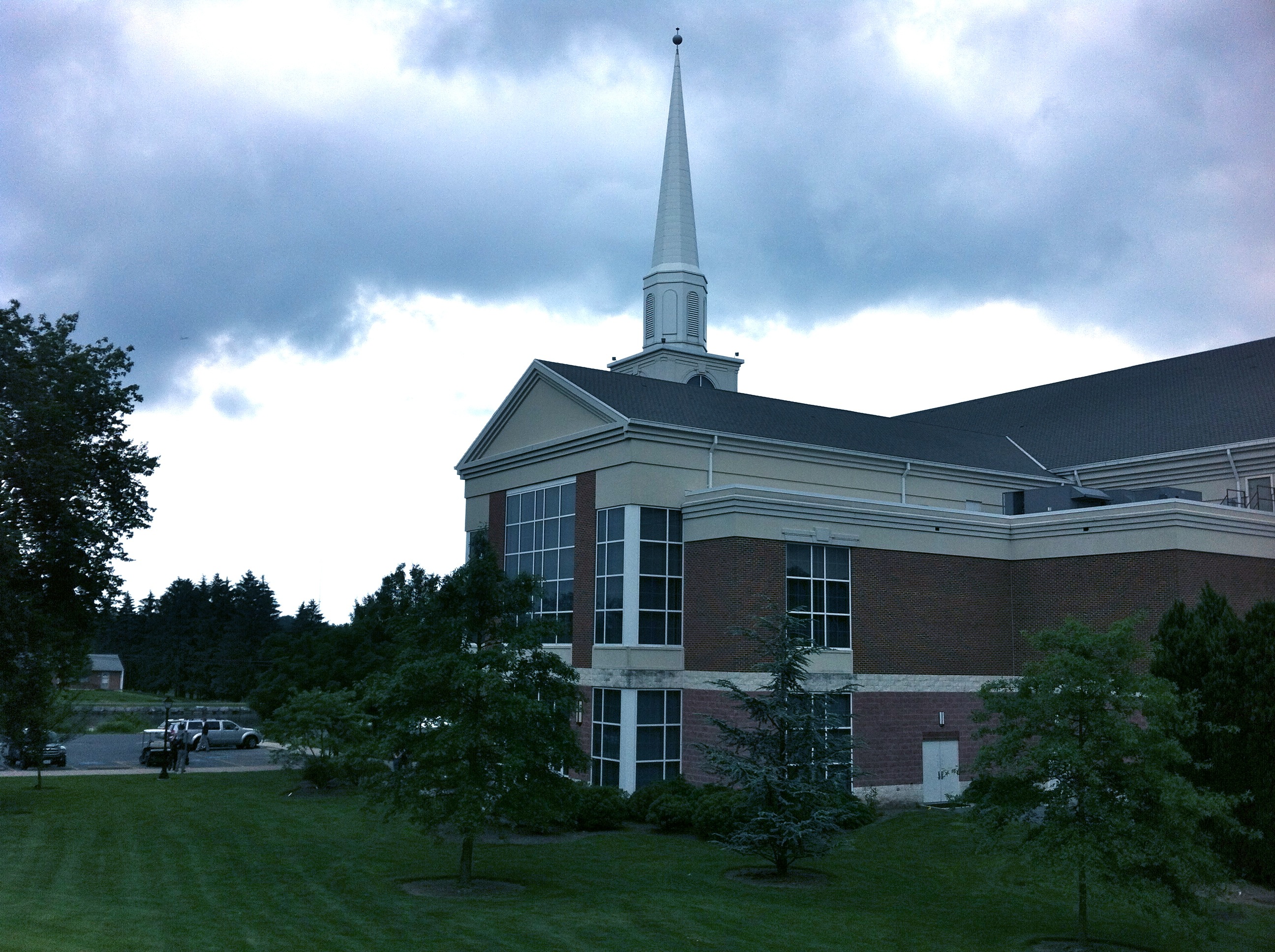 longtime friends. It did seem that a record number of “first time attenders” were present, and I thank God for the growing interest in historic, experiential Christianity.
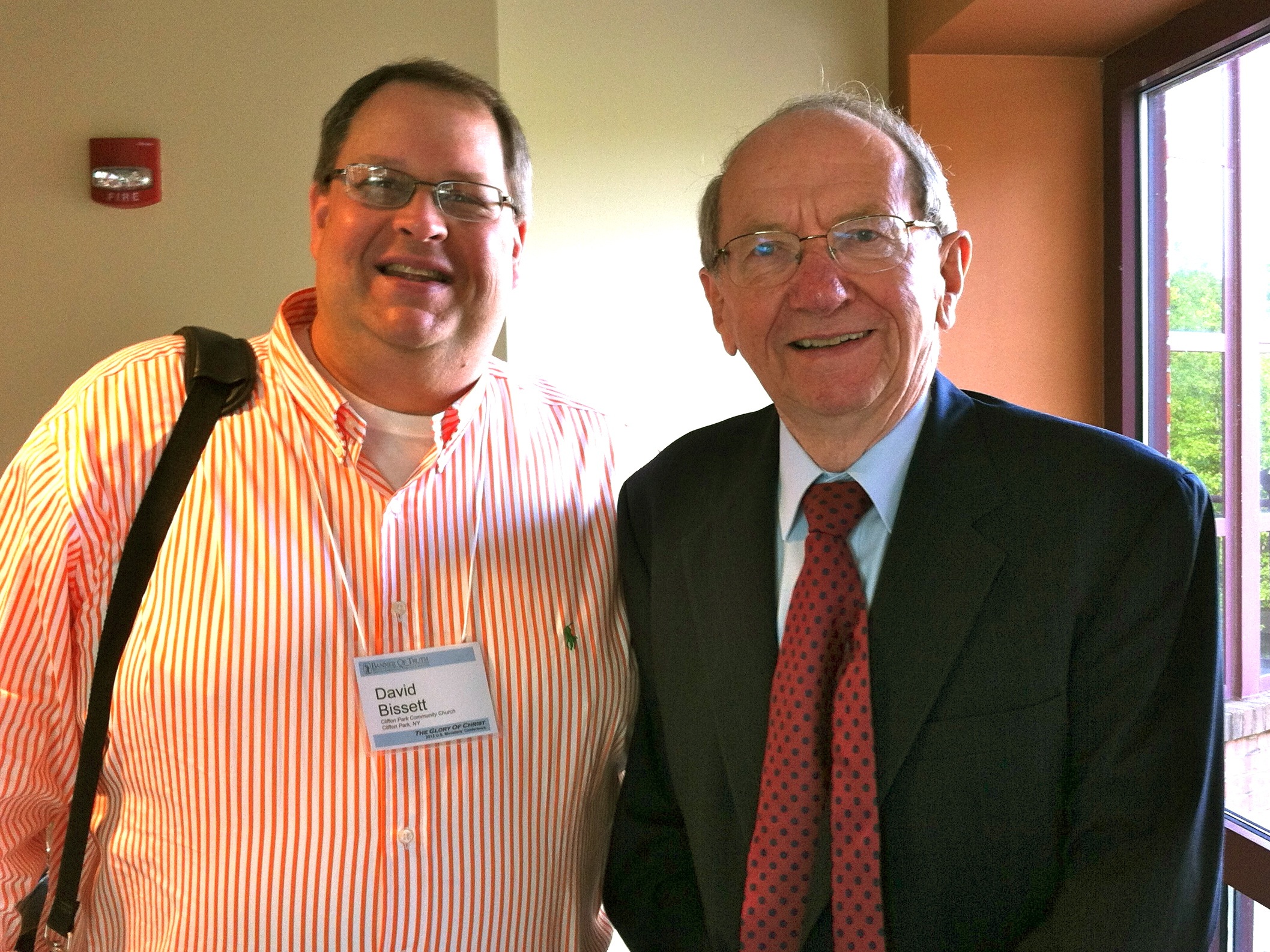 The conference theme was “The Glory of Christ” and speakers included Dr Sinclair Ferguson (always worthlistening to), Fred Malone, Jonathan Master (professor at Philadelphia Bible Univ.), Ian Hamilton, Iain Murray (a co-founder of Banner, former pastor and superb author), and Dennis Prutrow (professor of homiletics at RPTS).
Highlights for me were Ferguson’s two addresses on the high-priesthood of Jesus Christ, and Iain Murray’s address on William Tyndale, very inspiring. Of course, my frequent visits to the Banner of Truth “book 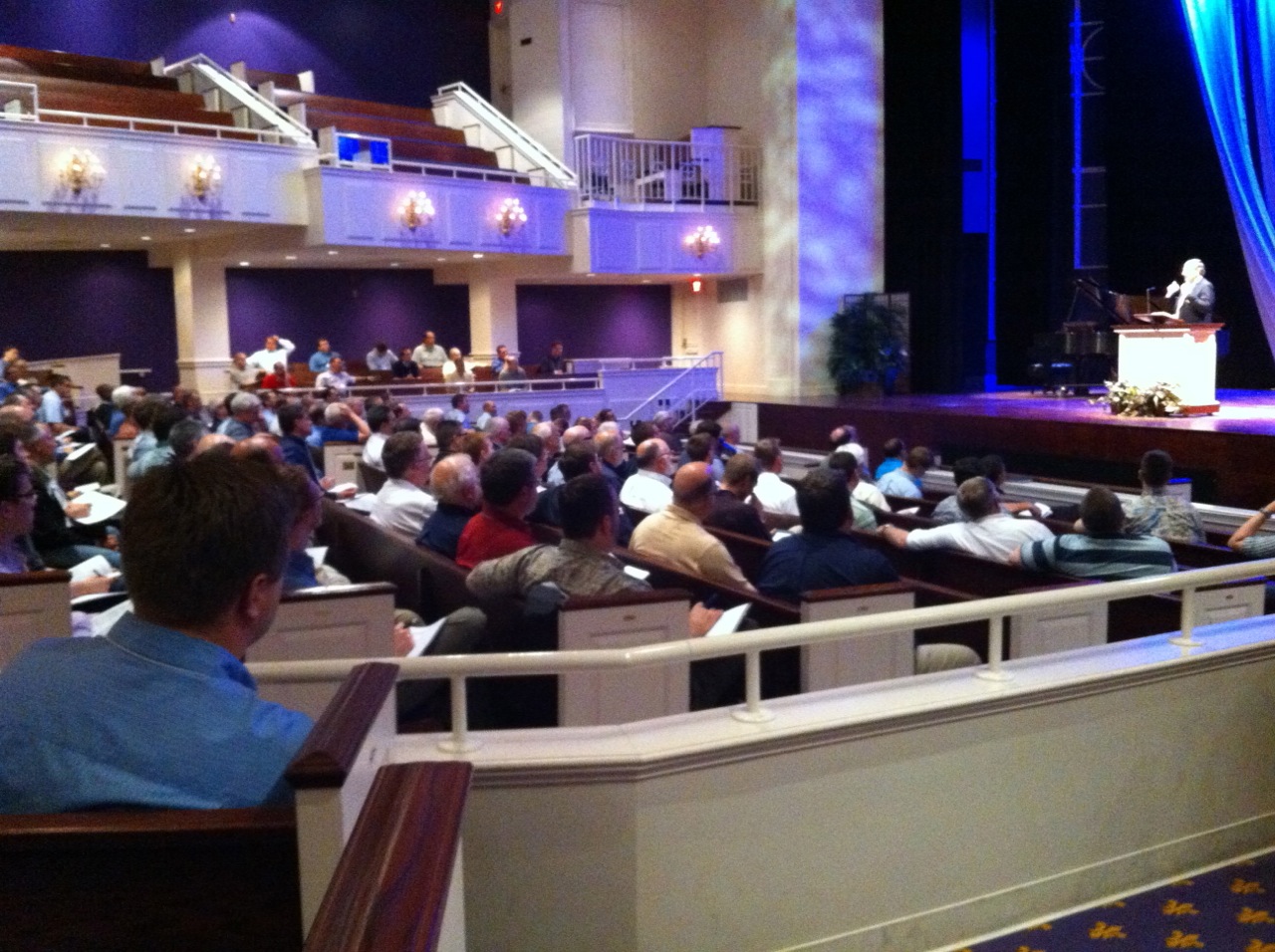 room” (and friends Rob Wiley, John Rawlinson, and the crew) were most enjoyable! My primary purchase was a long-awaited acquisition of the six volume Works of (puritan) John Flavel. I also profited from talks with author Jim Garretson and as a result picked-up his new “Princeton and the Work of the Christian Ministry” (in two-volumes).
These times of conference — with great worship, passionate preaching, fellowship, and time for reflection – are always useful in refreshing my spirit and strengthening my resolve for serving in the ministry. The long drive home was filled with much thanksgiving and praise to our Lord for His grace and blessing in my life, and for the opportunity to serve Him in Clifton Park, NY.
It is well with my soul.
pdb


 The Breadline