I had hoped to read 12-15 books this summer (beyond my reading for work, which is already fairly substantial), but, alas, I’ve fallen short of the goal. I do hope to close the gap in the final weeks of summer though!
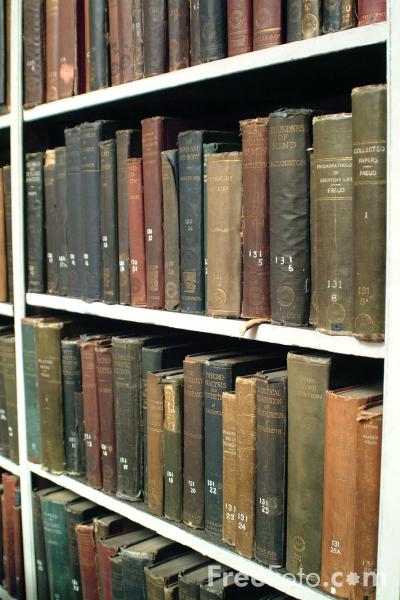 I run into a lot of people who say they love to read, but rarely read a whole book. How about you? I encourage you to withdraw from our 24/7, techno-driven culture and pick up a classic piece of literature, or a fine volume of Christian material. Reading is about more than gaining new information. Reading is a special event when you engage your mind with the mind of another, and interact with their thoughts and worldview. David Ulin writes this…
“Reading is an act of contemplation, perhaps the only act in which we allow ourselves to merge with the consciousness of another human being. We possess the books we read, animating the waiting stillness of their language, but they possess us also, filling us with thoughts and observations, asking us to make them part of ourselves”
This comes from an article in the LA Times THE LOST ART OF READING. It wanders around a bit, but makes some very keen observations. Here’s another paragraph….
This is where real reading comes in — because it demands that space, because by drawing us back from the present, it restores time to us in a fundamental way. There is the present-tense experience of reading, but also the chronology of the narrative, as well as of the characters and author, all of whom bear their own relationships to time. There is the fixity of the text, which doesn’t change whether written yesterday or a thousand years ago. St. Augustine composed his “Confessions” in AD 397, but when he details his spiritual upheaval, his attempts to find meaning in the face of transient existence, the immediacy of his longing obliterates the temporal divide.
You can read the whole thing here.
Now, logoff and read.
pdb
 The Breadline