
The opposite of a childlike spirit is a cynical spirit. Cynicism is, increasingly, the dominant spirit of our age. Personally, it is my greatest struggle in prayer. If I get an answer to prayer, sometimes I’ll think, It would have happened anyway. Other times I’ll try to pray but wonder if it makes any difference.
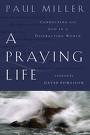 So writes Paul Miller in his recent book A PRAYING LIFE (NavPress, 2009). The first part of the book (there are 5 sections) has a few drawbacks (loose language for theologically minded readers), but is fine. This second part is excellent — diagnosis a real & present problem, and addressing it biblically and practically. Here’s a bit more from Miller…
Cynicism and defeated weariness have this in common: They both question the active goodness of God on our behalf…. Cynicism creates a numbness toward life. Cynicism begins with the wry assurance that everyone has an angle. Behind every silver lining is a cloud. The cynic is always observing, critiquing, but never engaged, loving, and hoping. … To be cynical is to be distant. While offering a false intimacy of being “in the know,” cynicism actually destroys intimacy. It leads to a creeping bitterness that can deaden and even destroy the spirit.
A praying life is just the opposite. It engages evil. It doesn’t take no for an answer. Prayer is feisty. Cynicism on the other hand, merely critiques. It is passive, cocooning itself from the passions of the great cosmic battle we are engaged in. It is without hope.
Great stuff, eh! Pause now and pray against this subtle foe. And hear Paul (and me) pray for you in Romans 15:13 —
May the God of hope fill you with all joy and peace in believing, so that by the power of the Holy Spirit you may abound in hope.
pdb

 The Breadline